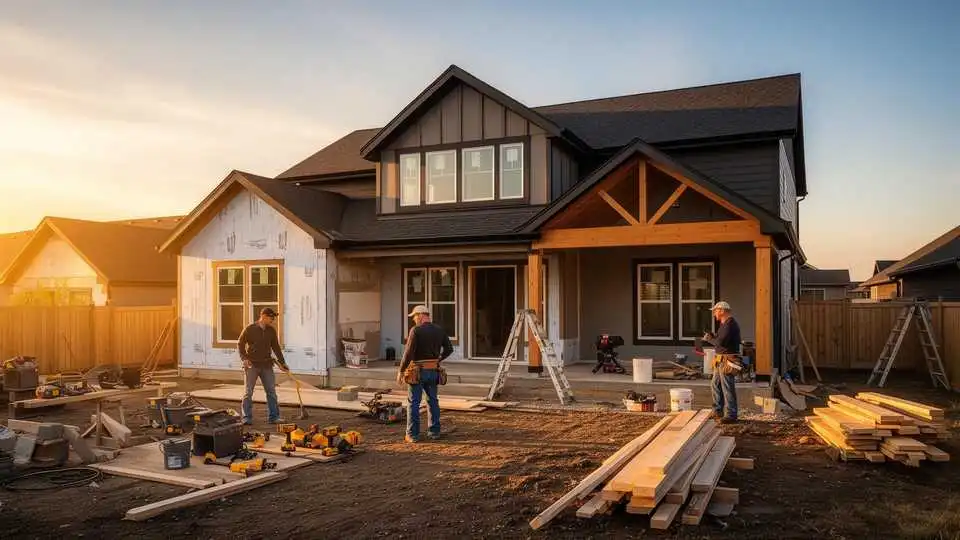
Connect with the Right
Contractor — Fast
One call connects you with experienced, independent trade specialists for every home improvement need. Select your category below.
Choose Your Trade Category
Each button dials a dedicated line for that specialty. Independent contractors in our network are ready to discuss your project.
How It Works
Select Your Category
Choose the trade that matches your project from the service grid above.
Make One Call
Call the dedicated number and describe your project to the specialist.
Get Connected
An independent contractor in your area will follow up to schedule your service.
Frequently Asked Questions
We provide residential and commercial exterior remodeling including window replacement and repair, entry and patio door installation, siding and trim, sunrooms and patio enclosures, skylights and custom exterior carpentry.
Use the contact form on this landing page or request an on-site consultation and we will follow up to schedule a convenient time for a free inspection and written estimate.
Yes, all field crews are covered by liability insurance and workers' compensation, and we work with licensed subcontractors when required; proof of insurance and license details are available on request.
Installations include the manufacturer's warranty for products plus a workmanship warranty from the contractor; exact warranty terms and any extended coverage are explained in your written proposal.
Small jobs like a single window replacement often finish in a few hours to a day, while full-home replacements or large remodels usually take several days to a few weeks depending on scope, permits and material lead times.
Yes, we will obtain required local permits and coordinate inspections when necessary, and include permit management in your project timeline and estimate.
We accept major payment methods and offer a variety of financing options and payment plans; available terms are discussed during the estimate and included in your written proposal.
Yes, we offer post-installation service and repairs, seasonal maintenance advice, and can return for adjustments or warranty work as needed.